
Today we are diving into the world of colour and explaining two terms that are often confused — color correction and color grading. If you are interested in editing videos and photos, these two processes are key to achieving a professional result. So let’s look at the difference between them.
Color correction
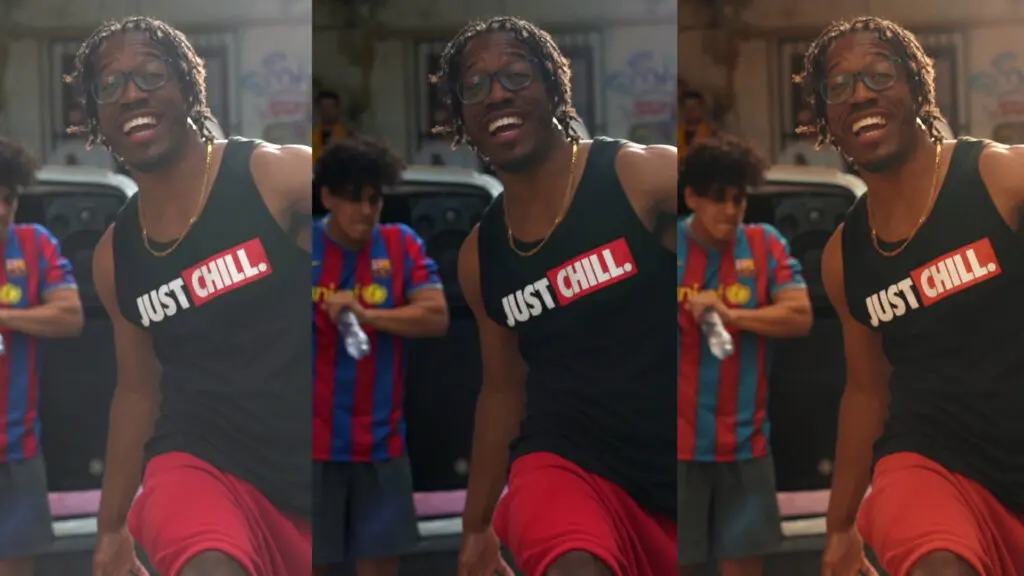
Color correction is a basic step in post-production that aims to achieve realistic colours and correct exposure. The main goal is to remove colour casts and balance the colour tones so that the image looks natural. Here are a few key points you focus on during color correction:
- White and black points: Setting the correct values for the white and black points in the shot to achieve the full dynamic range.
- White balance: Adjusting the colour temperature and tint so that white really looks white.
- Saturation: Adjusting the intensity of the colours so they are neither washed out nor oversaturated.
- Contrast and brightness: Adjusting the lightness and contrast to bring out details better.
Color correction is therefore the process that makes sure everything in your shot looks right and natural, regardless of the lighting conditions during filming or photography.
Color grading
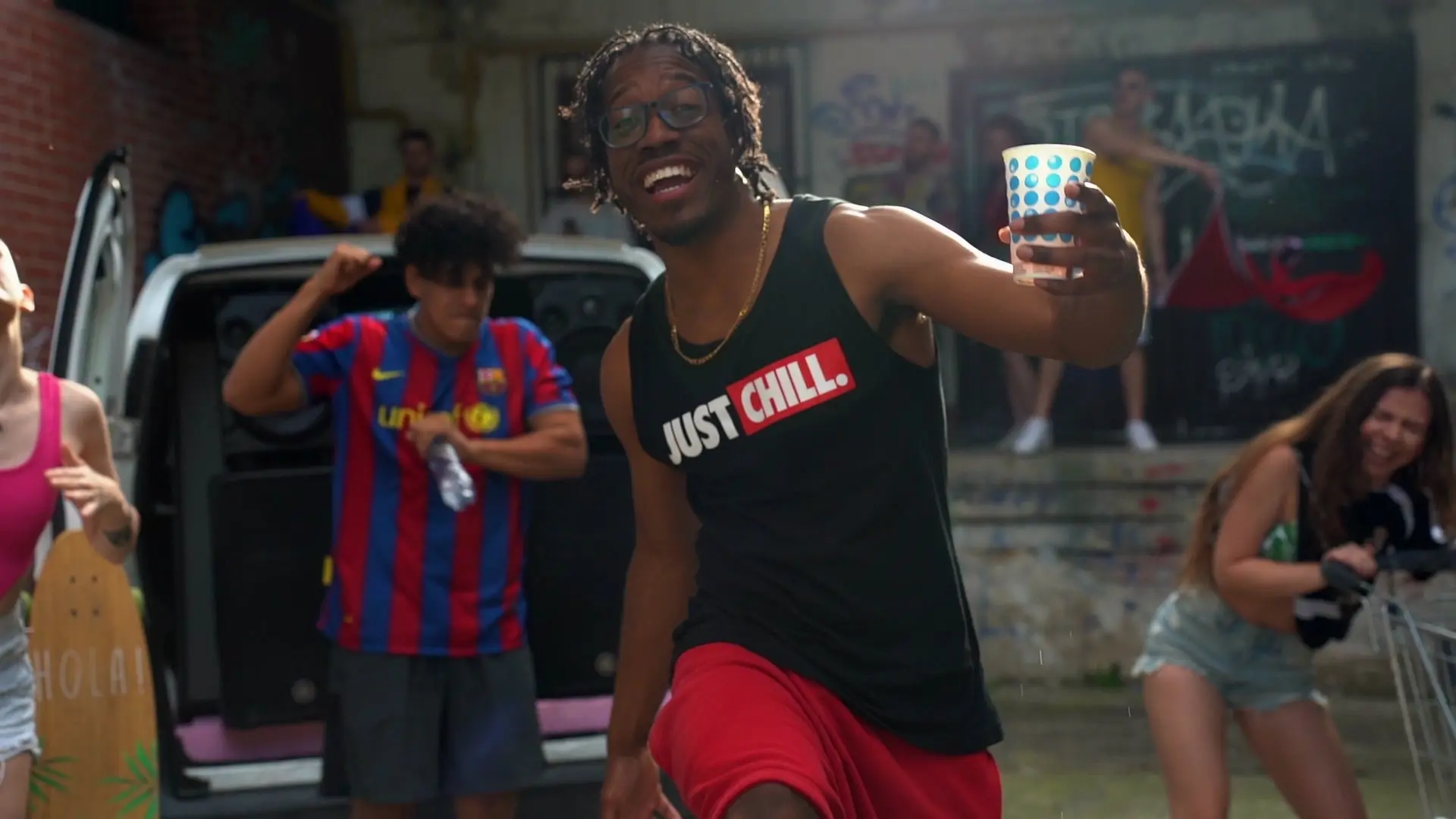
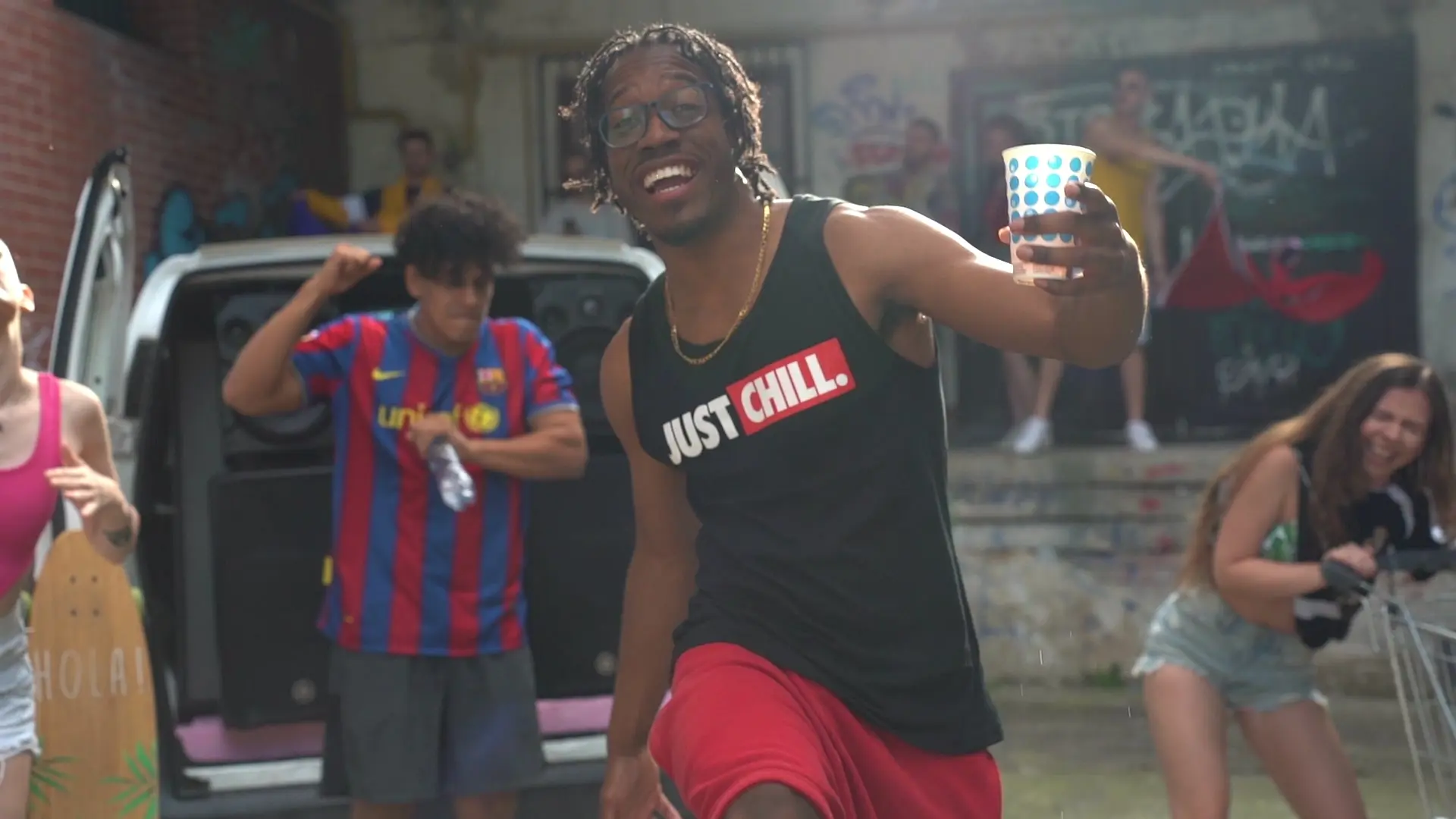
Color grading is a creative process that gives the image a particular atmosphere, style or emotional charge. While color correction makes sure the colours are faithful and realistic, color grading lets us add character and artistic intent to the footage.
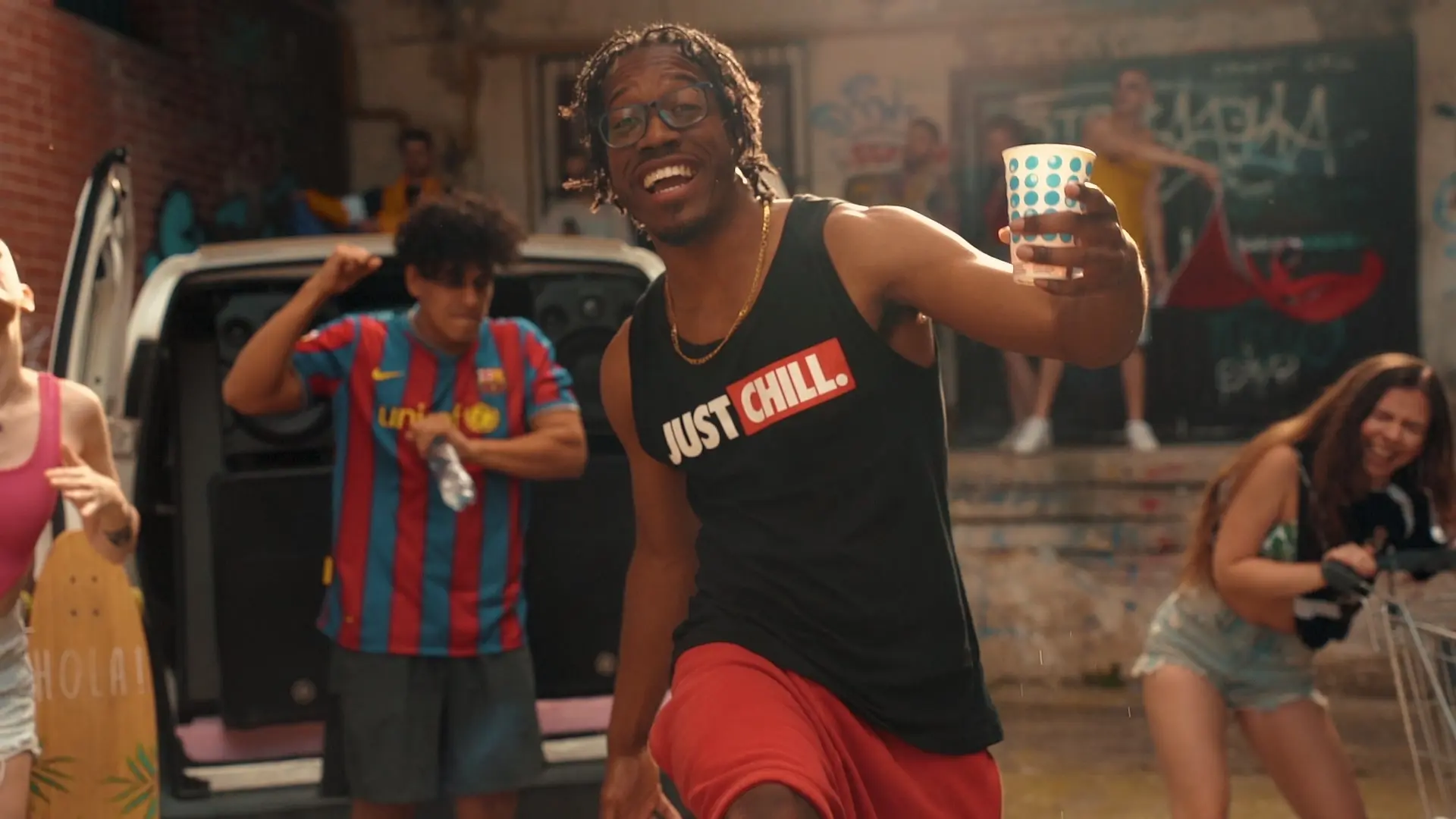
Here is what you can do with color grading:
- Style and atmosphere – you adjust the colours to support the story or the emotions of the scene. For example, dark blue tones can create a sense of mystery or sadness, while warm golden tones can evoke happiness and comfort.
- Contrast and saturation – you can experiment with increasing or decreasing contrast and colour saturation to achieve the visual effect you want.
- Moodboards – you choose a specific colour palette that will define your project and give it a unique look.
This process lets you be creative and experiment with different looks and feelings. It gives your footage a unique signature and sets your work apart from others.
Conclusion
While color correction deals with the technical aspects and makes sure the footage is visually consistent and natural, color grading is about the creative side and creating specific moods and atmospheres. Both techniques are essential for professional video and photo editing.
I hope this article has helped you better understand the difference between color correction and color grading. So next time you start editing, you will know exactly when to fix the colours and when to add a bit of creative flair.